


25 Practical and Effective solutions to Prevent Hair Loss
- Immediate and Practical Steps to Prevent Hair Loss
- Key Vitamins and Minerals to Fight Hair Loss
- Natural Methods and Effective Herbal Masks for Hair Growth
- Is Your Hair Loss Abnormal? Understanding the Main Causes
- Introducing Common Medical Treatments to Stop Hair Loss
- Conclusion: Your Roadmap to Healthy Hair
- Frequently Asked Questions (FAQ) about Preventing Hair Loss
Hair loss is one of the most common and distressing issues faced by millions of people worldwide. If you are looking for definitive solutions to prevent hair loss, you are in the right place. The key to stopping this process is understanding the root cause and then adopting a comprehensive strategy involving lifestyle changes, proper nutrition, and, if necessary, specialized treatments. This article serves as a complete guide, covering all aspects of treating and preventing hair loss to help you achieve the best possible results.
Immediate and Practical Steps to Prevent Hair Loss
Small, daily changes in your lifestyle are the first and most effective steps to stop hair shedding. These actions directly impact the health of hair follicles and can halt the damage process.
Essential Tips for Daily Hair Washing and Care
Choosing the right shampoo and the correct way of washing plays a vital role in preserving hair roots.
- Choose a Gentle Shampoo: Use shampoos that are free from sulfates and parabens and have a skin-compatible pH. Strong, alkaline shampoos can strip the scalp’s natural oils (sebum), damaging the follicles.
- Correct Washing Technique: Wash your hair with lukewarm or cool water, as hot water can dry out the scalp and weaken the hair roots. When washing, gently massage the scalp with your fingertips and avoid harsh scrubbing.
Reducing Damage from Heat and Chemical Styling
Heat tools and chemicals can cause serious damage to the hair shaft, leading to breakage and weakening of the root.
- Limit Heat Use: Minimize the use of blow dryers, straighteners, and curling irons. If you must use a hairdryer, set it to a low temperature and maintain an appropriate distance from your hair.
- Chemical Treatments: Frequent coloring, bleaching, and the use of chemical straightening products damage the follicles. Increase the intervals between these procedures and always use protective products.
Proper Techniques for Brushing and Tying Hair
The mechanical handling of hair directly affects hair loss.
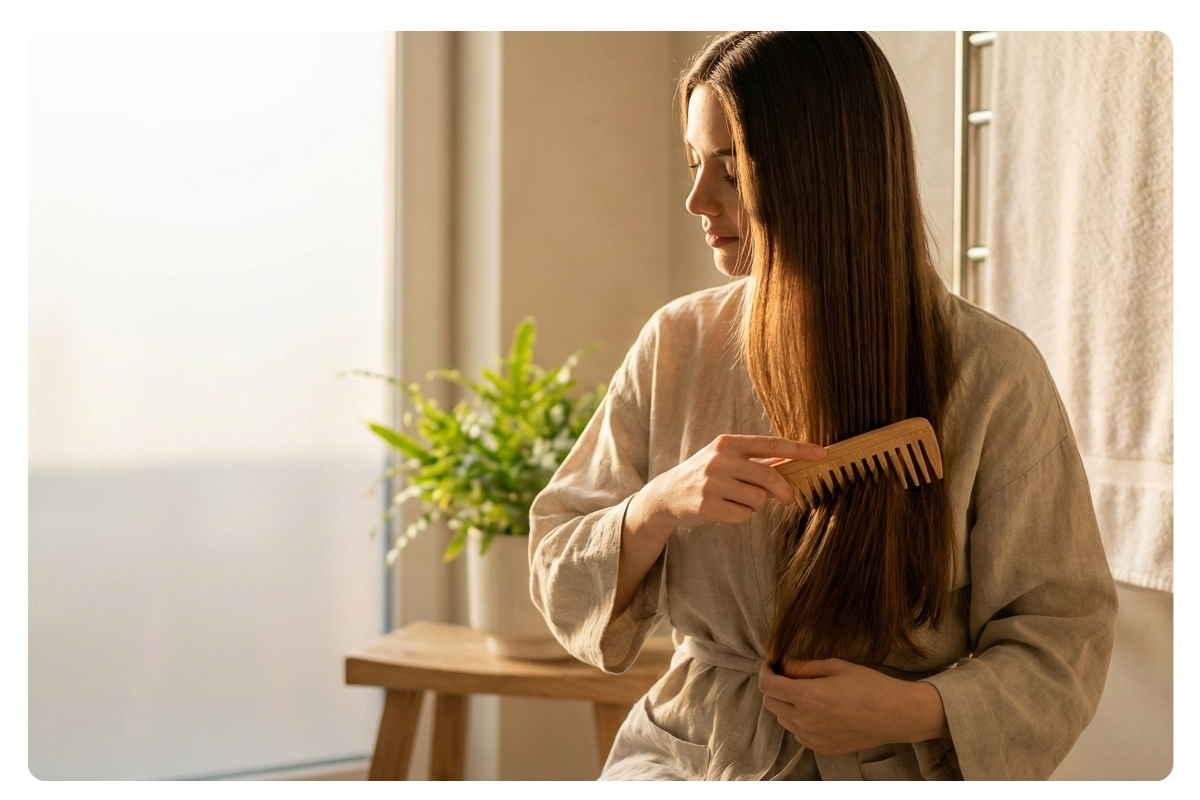
- Correct Brushing: Do not brush wet hair vigorously, as wet hair is more vulnerable to damage. First, use a wide-tooth comb to detangle, and begin brushing from the ends, gradually moving toward the root.
- Hairstyles: Avoid tying your hair into tight ponytails or braids (Traction Alopecia), which cause stress and pulling on the hair roots.
The Role of Stress Management and Adequate Sleep in Hair Health
Stress is one of the most significant hidden factors in severe hair loss (Telogen Effluvium).
- Stress Management: High stress levels can disrupt the hair growth cycle. Incorporate yoga, meditation, and relaxing activities into your daily routine.
- Adequate Sleep: 7 to 8 hours of quality sleep per night helps regulate hormones, which is essential for healthy hair follicles.
Key Vitamins and Minerals to Fight Hair Loss
Internal Nutrition is one of the fundamental pillars of preventing hair loss. Deficiencies in crucial nutrients can directly lead to hair thinning and loss.
The Impact of Protein and Amino Acids on Hair Keratin Structure
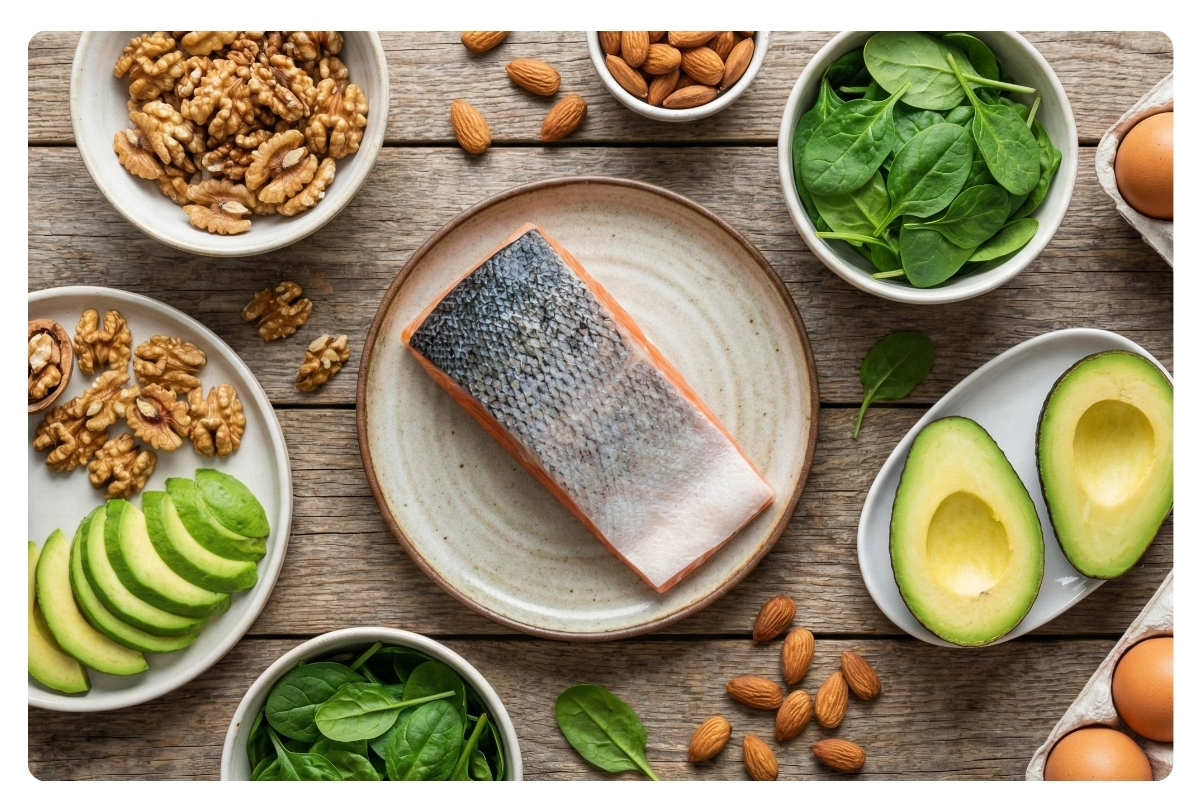
Protein is the main building block of hair. Keratin, which forms the hair structure, is a protein.
-
Protein Intake: Ensure your diet contains sufficient high-quality protein (such as lean meat, fish, eggs, legumes, and dairy) to support healthy hair production.
Biotin, Vitamin D, and Zinc: Three Essential Supplements
These three micronutrients play a key role specifically in hair health and regrowth.
- Biotin (Vitamin B7): Helps strengthen keratin and improve hair structure.
- Vitamin D: Plays an important role in stimulating hair follicles to enter the growth phase (Anagen). Its deficiency is often associated with hair loss.
- Zinc: Essential for DNA and RNA production, and tissue repair, including hair tissue. Zinc deficiency can lead to hair shedding.
The Mediterranean Diet: The Best Nutritional Pattern to Prevent Hair Loss
The Mediterranean diet, rich in vegetables, fruits, whole grains, olive oil, and fish, is recognized as the best dietary pattern for hair health due to its high content of antioxidants, vitamins, and healthy fats (Omega-3s).
read more: 7 of the Best Herbal Teas for Hair Loss
Natural Methods and Effective Herbal Masks for Hair Growth
Using topical and natural solutions is a traditional and complementary method to strengthen the hair shaft and reduce hair loss.
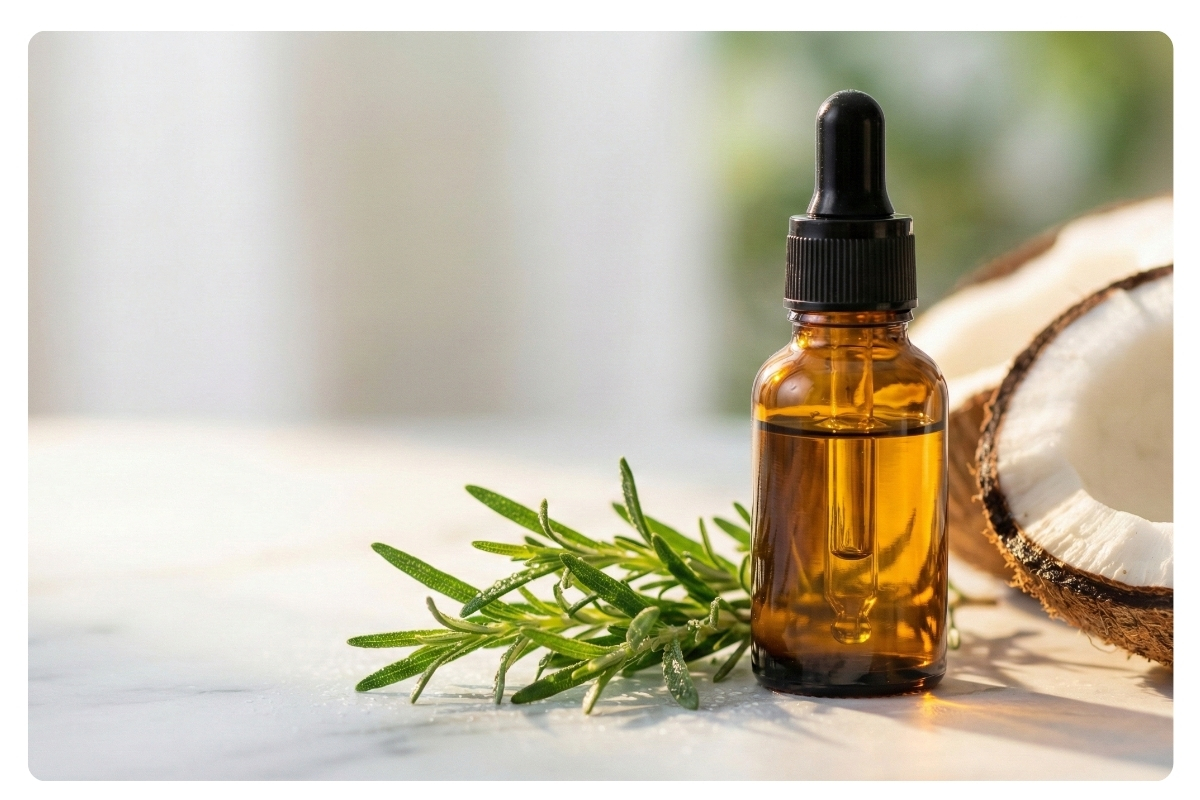
The Amazing Properties of Coconut and Olive Oil
These oils are popular in traditional medicine due to their ability to penetrate the hair shaft and strengthen its structure.
- Coconut Oil: Rich in lauric acid, which helps reduce protein loss in hair and protects it from daily damage.
- Olive Oil: Contains antioxidants that contribute to scalp health and hair moisture.
Onion Juice and Essential Oils (Rosemary, Cedarwood): Traditional Remedies
Due to their active compounds, such as sulfur and terpenes, these substances help stimulate blood circulation in the scalp and strengthen hair roots.
- Rosemary Essential Oil: Studies have shown that Rosemary oil can be as effective as 2% minoxidil in stimulating hair growth and increasing circulation.
- Onion Juice: Rich in sulfur, which aids in collagen production and the regeneration of hair follicles.
Is Scalp Massage Really Effective in Reducing Hair Loss?
Yes, regular scalp massage can be a powerful tool in preventing hair loss.
-
Scalp massage helps increase blood circulation to the follicles, delivering more oxygen and nutrients to the hair roots. Furthermore, massage helps reduce scalp tension and promotes hair thickening.
Is Your Hair Loss Abnormal? Understanding the Main Causes
Understanding the underlying cause of hair loss is essential for choosing the definitive treatment method for hair loss. Daily shedding of 50 to 100 strands is normal; anything beyond that requires investigation.
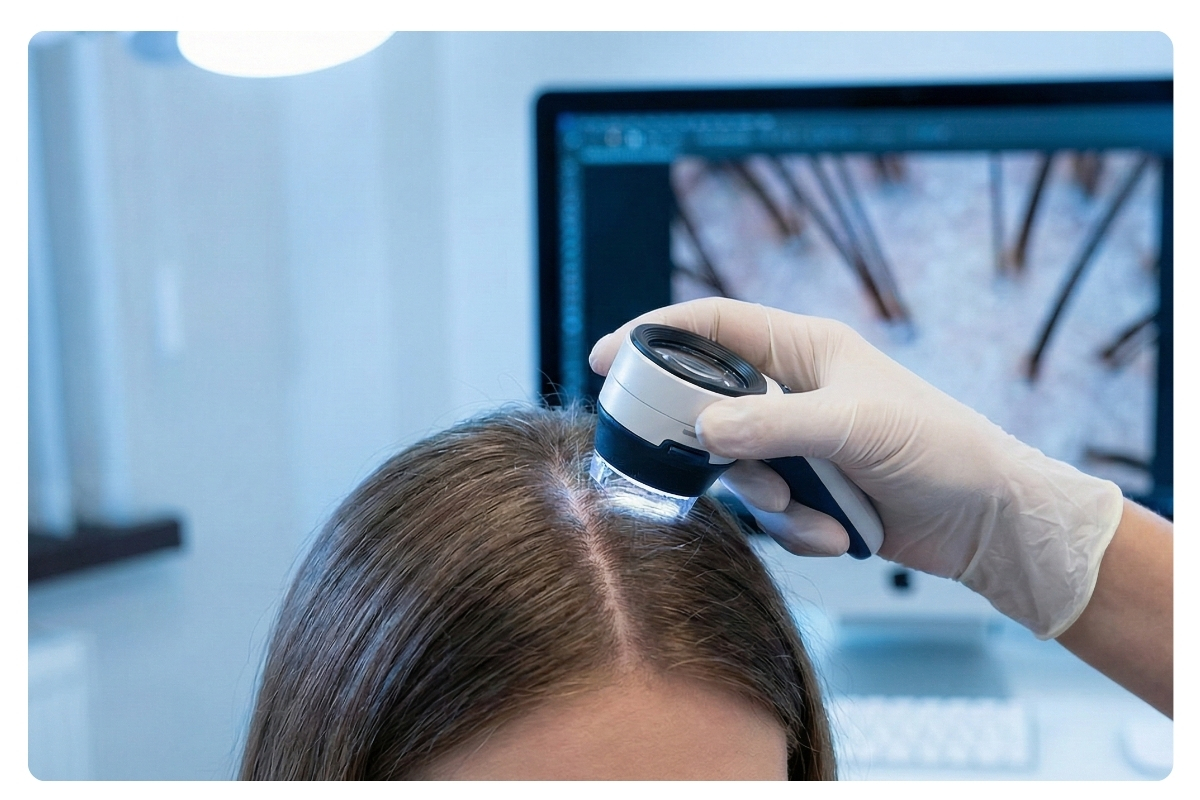
Hormonal, Genetic, and Stress Factors (Androgenic Alopecia)
- Androgenic Alopecia (Male/Female Pattern Hair Loss): The most common cause of hair loss, primarily due to genetic factors and the effect of the hormone Dihydrotestosterone (DHT) on hair follicles.
- Hormonal Changes: Pregnancy, menopause, and thyroid problems can lead to temporary or permanent hair loss.
Environmental Factors and Scalp Infections
- Thyroid Problems: Hypothyroidism or hyperthyroidism can affect the hair growth cycle.
- Nutritional Deficiencies: Iron deficiency (anemia), Vitamin B12, and protein deficiency are major causes of hair loss.
Introducing Common Medical Treatments to Stop Hair Loss
For cases where hair loss is severe or permanent, medical interventions under the supervision of a dermatologist or hair specialist are recommended.
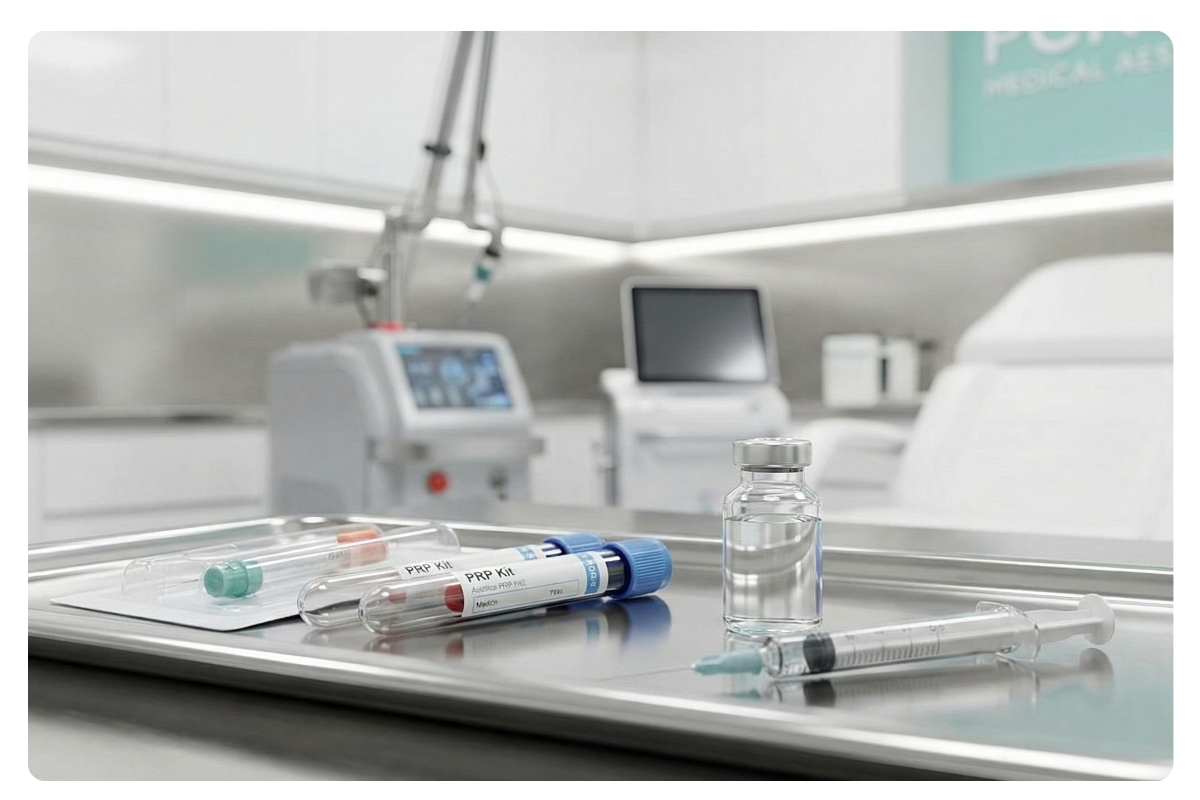
Topical and Oral Medications (Minoxidil and Finasteride)
- Minoxidil: An over-the-counter topical medication that helps dilate blood vessels and increase blood flow to the scalp, prolonging the hair growth phase.
- Finasteride: An oral medication, mainly prescribed for men, that reduces the conversion of testosterone to DHT by inhibiting the 5-alpha-reductase enzyme.
Novel Clinical Methods (PRP and Low-Level Laser Therapy)
- PRP (Platelet-Rich Plasma): In this method, platelet-enriched plasma from the patient’s own blood is injected into the scalp to stimulate growth factors and activate hair follicles.
- Low-Level Laser Therapy (LLLT): Using cap-like laser devices or laser combs to stimulate follicle cells and increase their energy.
The effectiveness of pharmaceutical intervention in treating androgenic alopecia often relies on inhibiting the 5-alpha-reductase enzyme. This enzyme is responsible for converting testosterone into Dihydrotestosterone (DHT), a potent androgen hormone that shrinks hair follicles in genetically predisposed individuals. By blocking this conversion, drugs like finasteride reduce DHT levels in the scalp, thereby preventing follicle miniaturization and halting hair loss progression.
source: Journal of Clinical and Aesthetic Dermatology (2014)
Saw Palmetto: The Herbal Alternative to Specialized Medications
-
Saw Palmetto is an herbal supplement that some studies suggest may naturally possess 5-alpha-reductase inhibitory effects, acting as a natural alternative to prevent DHT-related hair loss.
Conclusion: Your Roadmap to Healthy Hair
Preventing hair loss is a multifaceted process that requires commitment and patience. By following this comprehensive roadmap, you can restore your hair health:
- Lifestyle: Manage stress and maintain daily hair hygiene.
- Nutrition: Enrich your diet with protein, Vitamin D, biotin, and zinc.
- Topical Care: Use natural oils like rosemary and coconut for localized strengthening.
- Medical Consultation: If you notice sudden and severe hair loss, consult a dermatologist to diagnose the underlying cause and explore specialized treatment options (such as Finasteride, Minoxidil, or PRP).
Frequently Asked Questions (FAQ) about Preventing Hair Loss
1. How much daily hair shedding is normal?
Shedding 50 to 100 hairs daily is considered normal and is part of the natural hair growth cycle. You should seek the cause if you notice a significant increase in this amount.
2. How long does it take for hair loss treatments to show results?
Most hair loss treatments, including medications and supplements, require at least 3 to 6 months to show their effects, as hair grows in a slow cycle.
3. Can stress cause permanent hair loss?
No, stress-induced hair loss (Telogen Effluvium) is usually temporary, and hair gradually begins to regrow once the stressful factor is controlled.
4. Is taking Biotin alone sufficient to stop hair loss?
Biotin helps with the keratin structure, but if hair loss is due to iron deficiency, Vitamin D, or hormonal factors, Biotin alone will not be sufficient.
5. What is the difference between Minoxidil and Finasteride?
Topical Minoxidil stimulates blood flow, while Finasteride is an oral medication that works to inhibit the DHT hormone (the main cause of Androgenic Alopecia).
6. Does coconut oil actually help hair growth?
Coconut oil penetrates the hair shaft and prevents protein loss but does not directly stimulate the follicles for new growth.
7. What is the best diet for preventing hair loss?
The Mediterranean diet, rich in vegetables, fruits, and Omega-3s, is considered the best pattern due to its high nutrient and antioxidant content.
8. Does washing hair daily cause more hair loss?
No, daily washing with a gentle shampoo is harmless, provided it’s not done harshly. The hairs that were meant to shed will often do so in the shower.
9. Is Low-Level Laser Therapy (LLLT) approved?
Yes, LLLT is an FDA-approved method for treating androgenic hair loss.
10. Which mineral deficiency is most associated with hair loss?
Iron deficiency (leading to anemia) and Zinc are the most common mineral deficiencies directly linked to hair shedding.




Be the first to comment!