

7 of the Best Herbal Teas for Hair Loss

- 7 Powerful Herbal Teas to Stop Hair Loss and Boost Hair Growth
- Why Do Herbal Teas Help Treat Hair Loss?
- How to Choose the Right Tea for Your Type of Hair Loss?
- Key Recommendations for Greater Efficacy of Anti-Hair Loss Teas
- Are Teas Truly a Substitute for Medical Treatments?
- Frequently Asked Questions about Herbal Teas for Hair Loss
Hair loss is one of the most common health and beauty concerns, influenced by various factors including stress, hormonal changes, nutritional deficiencies, and scalp inflammation. In the search for natural and low-risk methods to strengthen hair and prevent thinning, 7 of the best herbal teas for hair loss have emerged as effective and complementary therapeutic solutions. Rich in antioxidants, vitamins, and essential minerals, these teas can help stop hair shedding and accelerate regrowth by targeting the root causes, such as strengthening hair follicles and improving blood flow to the scalp.
In this comprehensive article, we will not only introduce the most potent herbal teas but also delve into their specific mechanisms of action, how to choose the right tea based on your hair loss type, and key consumption tips for maximum effectiveness.
| Herbal Tea | Most Important Therapeutic Property | Common Usage Method |
| Rosemary | Potent blood circulation stimulant, rapid growth enhancer | Drinking and Hair Rinse |
| Green Tea | DHT inhibitor, powerful anti-inflammatory and antioxidant | Drinking |
| Nettle | Rich source of essential minerals (Iron and Silica) | Drinking and Scalp Massage |
| Peppermint | Increases blood flow, anti-dandruff, and soothing | Drinking |
| Sage | Prevents premature graying, root fortifier | Drinking |
| Chamomile | Stress reduction, soothing scalp inflammation | Drinking |
| Ginger | Increases localized blood flow, natural anti-dandruff | Drinking |
7 Powerful Herbal Teas to Stop Hair Loss and Boost Hair Growth
To quickly address your need to identify the best herbal options, here are the most potent and effective teas recommended by traditional medicine and botanical specialists for combating hair loss.
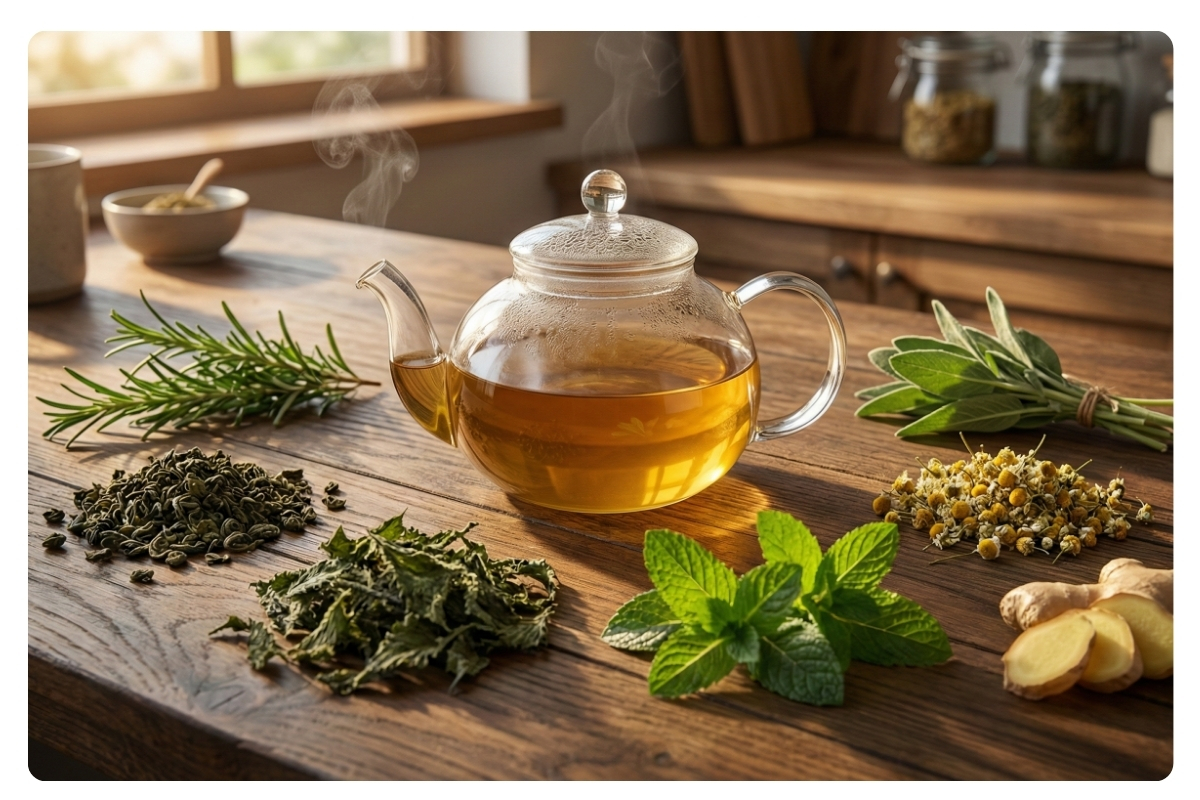
1. Rosemary Tea: The Primary Stimulant of Scalp Circulation
Rosemary tea is one of the most recognized and scientifically studied natural remedies for hair loss. Its main effect is due to active compounds like Carnosic Acid, which directly impacts increasing localized blood circulation in the scalp. Improved blood flow means more nutrients and oxygen reach the hair follicles, strengthening the hair’s growth (anagen) phase. Research has shown that the efficacy of Rosemary extract in treating Androgenetic Alopecia (hormonal hair loss) is comparable to that of the drug Minoxidil.
How to Prepare Rosemary Tea for Rinsing and Drinking?
To gain maximum benefit, it is best to both drink Rosemary and use it as a topical tonic:
-
Drinking: Steep one teaspoon of dried Rosemary leaves or flowers in a cup of boiling water for 10 minutes. Drink one to two cups daily.
-
Rinse (Topical Wash): Place two tablespoons of dried Rosemary leaves in 4 cups of water and bring to a boil. After cooling and straining, use it as the final rinse over the scalp and hair, massaging it in. No further rinsing is required.
2. Green Tea: Rich in Antioxidants to Strengthen Hair Follicles
Green Tea is not just a beverage; it is an antioxidant powerhouse. The Catechins found in green tea, especially Epigallocatechin Gallate (EGCG), prevent free radical damage to hair follicle cells. Crucially, EGCG is a natural and effective inhibitor of Dihydrotestosterone (DHT), the hormone that is the primary cause of male and female pattern hair loss. Regular consumption of green tea protects follicles against the destructive effects of DHT and fosters a healthy environment for stronger hair growth.
3. Nettle Tea: A Source of Vital Minerals for Hair Loss Reduction
Nettle tea has long been used in traditional medicine to treat hair loss. This plant is an extraordinarily rich source of essential hair minerals, including iron, silica, and sulfur. Iron deficiency is a common cause of hair loss, especially in women, and nettle can help replenish this deficiency. Furthermore, Nettle, like Green Tea, has shown properties that inhibit DHT, potentially reducing the severity of hormonal hair loss.
4. Peppermint Tea and the Effect of Menthol on Hair Growth
Peppermint contains a compound called Menthol, which significantly boosts localized blood flow in the scalp by creating a cooling sensation. This increased blood flow (Vasodilation) ensures that nutrients reach the hair roots faster. Additionally, peppermint tea possesses strong anti-inflammatory properties that can soothe an inflamed or irritated scalp, optimizing the environment for hair growth.
5. Sage: An Effective Herb in Preventing Premature Graying and Hair Loss
Sage tea is traditionally renowned not only for strengthening hair roots but also for preserving hair pigment and preventing premature graying. Sage contains phytoestrogenic compounds that can be mildly helpful in hormonal balance. Topical use of sage as a rinse adds luster to the hair and helps maintain scalp health due to its antimicrobial properties.
6. Chamomile Tea: Soothing Scalp Inflammation and Fortifier
Hair loss is often linked to chronic stress and inflammation. Chamomile is a calming and soothing tea that directly affects anxiety reduction and improved sleep quality. Topically, Chamomile has potent anti-inflammatory properties that can calm an irritated or inflamed scalp, promoting a healthy environment for hair growth.
7. Ginger: Blood Flow Enhancer and Natural Anti-Dandruff
Ginger, due to its inherent warming properties, is one of the best natural stimulants for improving circulation. Drinking ginger tea or massaging the scalp with diluted ginger oil stimulates blood flow. Moreover, ginger possesses antifungal and antibacterial properties that effectively combat dandruff (which sometimes causes hair loss) and cleanses the scalp.
Why Do Herbal Teas Help Treat Hair Loss?
The effectiveness of herbal teas in combating hair loss is rooted in their complex biological compounds that influence cellular and physiological processes in the scalp. Unlike chemical drugs that often target only one specific pathway, teas work multidimensionally by providing a complete set of phytochemicals. These herbs not only improve the hair growth environment by reducing inflammation but also inject vital energy into weakened follicles by directly supplying nutrients and strengthening localized blood vessels. Below, we examine in detail the two main mechanisms that confirm the scientific credibility of these treatments.
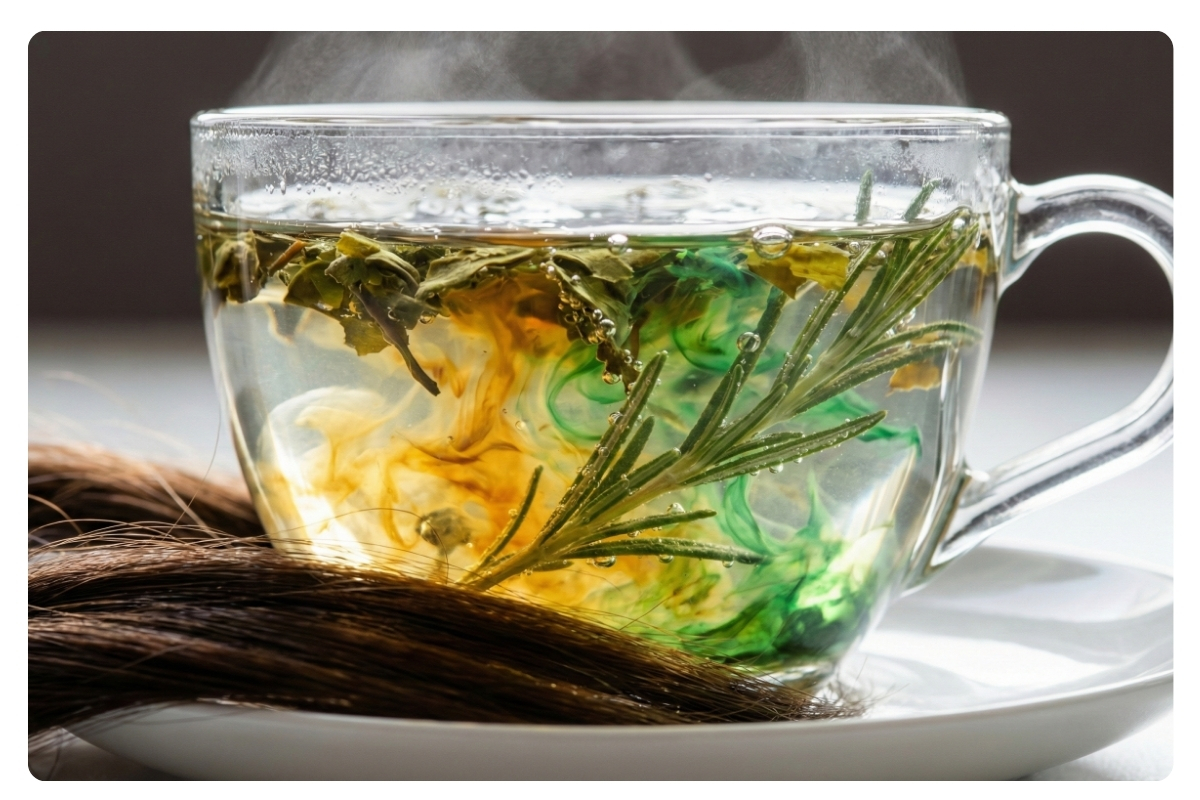
Mechanism of Antioxidants on the Hair Follicle
Hair follicles, like other body cells, are constantly exposed to oxidative stress from free radicals (pollution, UV radiation, cellular metabolism). This oxidative stress can cause premature follicle aging, shorten the hair’s growth phase, and ultimately lead to shedding. Herbal teas are rich in antioxidants such as flavonoids, phenols, and catechins that neutralize these free radicals, preventing damage to hair cell DNA.
The Role of Teas in Hormonal Balance (DHT Inhibition)
Dihydrotestosterone (DHT) is an androgen hormone that, by binding to hair follicle receptors, causes the follicle to shrink and the hair to thin (Androgenetic Alopecia). Certain medicinal herbs, especially Green Tea and Nettle, contain compounds that can inhibit the 5-alpha reductase enzyme—the enzyme that converts testosterone into DHT. This natural inhibition helps regulate DHT levels in the scalp, reducing hair loss caused by hormonal factors.
“Many studies highlight the efficacy of natural compounds, such as those found in green tea and saw palmetto, as effective 5-alpha reductase inhibitors. This mechanism is key to treating androgenetic alopecia by directly addressing the hormonal root cause of follicular miniaturization.” (Source: Journal of Dermatological Science)
How to Choose the Right Tea for Your Type of Hair Loss?
The intelligent selection of herbal tea should be based on the root cause of your hair loss.

Hair Loss Caused by Stress and Anxiety
If your hair loss began after a period of severe stress, emotional shock, or prolonged illness (such as Telogen Effluvium), teas with calming properties should be prioritized.
-
Main Recommendation: Chamomile (due to its anti-anxiety effects) and Borage (improves sleep quality and calms the nervous system).
Male and Female Pattern Hair Loss (Androgenetic)
In this type of hair loss, hair begins to thin in the crown or temporal areas, indicating DHT hormone activity.
-
Main Recommendation: Green Tea and Nettle (due to their 5-alpha reductase inhibiting properties).
Key Recommendations for Greater Efficacy of Anti-Hair Loss Teas
Using herbal teas for hair loss requires patience and consistency. By following the recommendations below, you can maximize their impact.
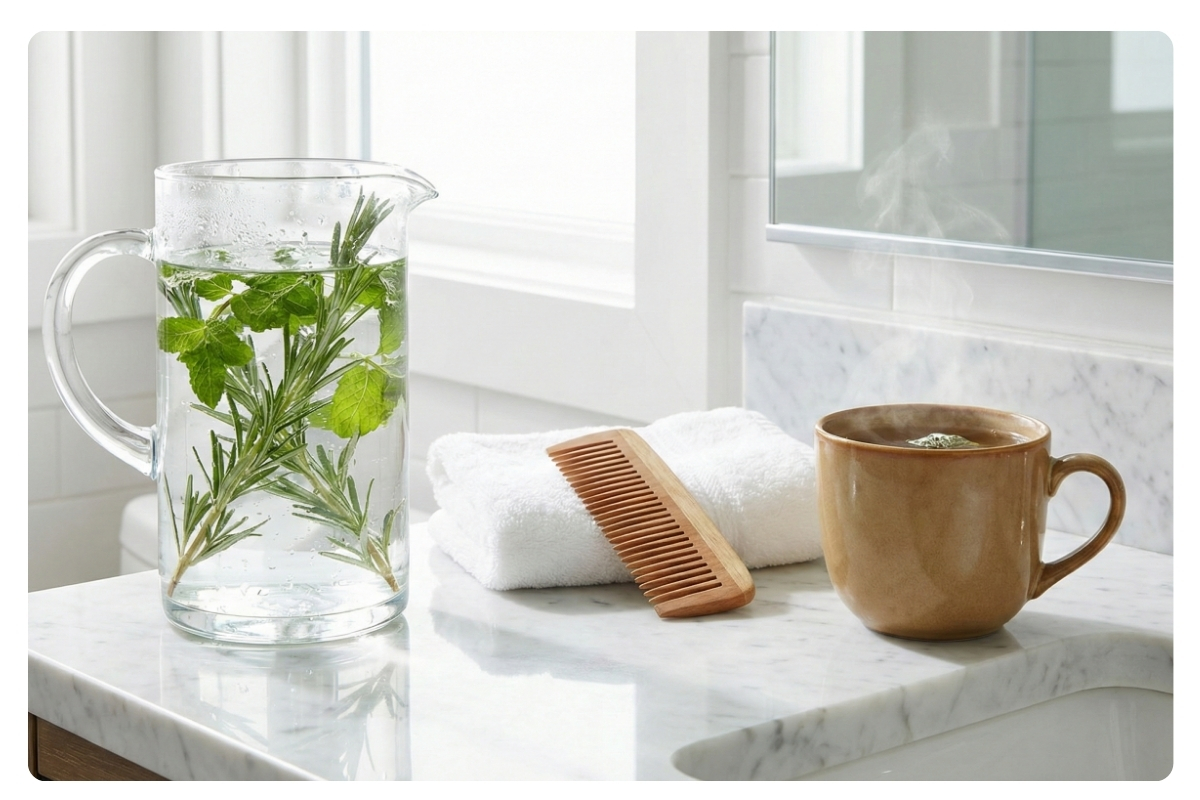
Correct Timing and Method of Consumption (Drinking and Rinsing)
- Drinking: For systemic absorption of antioxidants and minerals, consume teas 1 to 2 times a day for at least 3 months. The best time to consume them is 30 minutes after a meal, to avoid interference with the absorption of essential food nutrients.
- Hair Rinse (Topical): Topical application (like Rosemary or Peppermint) directly stimulates circulation in the scalp. Perform this daily or every other day, after shampooing, as the final rinse. Ensure the tea is completely cool.
Safety Notes and Contraindications
Although herbal teas are natural, they contain active compounds that can interfere with certain medications or health conditions.
- Nettle: Due to its high iron content, it should be consumed with caution by individuals prone to blood clotting or those taking anticoagulant medications.
- Green Tea: Contains caffeine. Excessive consumption is not recommended for sensitive individuals or close to bedtime.
- Medical Consultation: Always consult a doctor or pharmacist before starting a long-term herbal tea regimen, especially if you have a pre-existing medical condition or are taking specific medications.
Are Teas Truly a Substitute for Medical Treatments?
No. Herbal teas are very potent complementary tools for strengthening hair and preventing hair loss.
but they will never replace specialized medical treatments (such as oral medications, supplements, or PRP injections) in cases of severe hair loss caused by autoimmune diseases, hypothyroidism, or advanced alopecias. Their role is to provide a healthy environment in the body and scalp for the main treatments to work more effectively. We strongly recommend using herbal teas alongside a balanced diet and in consultation with a specialist to achieve the best results.
Frequently Asked Questions about Herbal Teas for Hair Loss
Here are the most common questions from users about using 7 of the best herbal teas for hair loss.
1. How long does it take to see the effect of herbal teas on hair loss?
It usually takes 3 to 6 months of continuous and regular consumption to see a noticeable reduction in shedding and the start of regrowth. The hair growth cycle is slow and requires time to improve.
2. Can I consume several different teas for hair loss simultaneously?
Yes, you can combine several teas with different mechanisms (e.g., Rosemary for circulation and Green Tea for DHT). However, ensure that the total consumption does not exceed recommended dosages.
3. Is it better to drink Rosemary tea or apply it to the hair?
The best efficacy is achieved when Rosemary is both drunk (for systemic effects) and used topically to massage the scalp (for direct blood flow stimulation).
4. Is Nettle tea beneficial for hair loss caused by iron deficiency?
Yes, Nettle is an excellent botanical source of iron and silica that can significantly help compensate for iron deficiency and strengthen the hair shaft structure.
5. Can the recommended teas also be effective in hair regrowth?
Most of these teas create a favorable environment for the activation of the growth (anagen) phase by improving follicle health, increasing blood flow, and inhibiting inflammation, thus assisting in hair regrowth.
6. Is the long-term consumption of anti-hair loss teas safe?
If there are no underlying health conditions and no interference with existing medications, yes, long-term consumption (e.g., 6 to 12 months) of these teas at normal doses is generally safe.
7. Which tea is best for stress-related hair loss?
Chamomile tea, due to its calming properties and ability to reduce cortisol (the stress hormone), is the best option for managing stress-related hair loss.
8. Is regular black tea as beneficial for hair as green tea?
No, while black tea contains antioxidants, its EGCG Catechin content is much lower than green tea, and it does not have comparable DHT-inhibiting properties.
9. Can I consume Sage tea during pregnancy or breastfeeding?
Sage consumption is not recommended during pregnancy and breastfeeding as it may affect hormone levels; always consult a medical professional.
10. Does adding honey or sugar to the teas reduce their effectiveness?
No, adding sweetener itself does not diminish the therapeutic effect of the herb; however, for overall health, it is best to minimize the consumption of simple sugars.
11. Is Ginger tea suitable for dry hair?
Ginger tea is beneficial due to increased blood flow; however, for dry hair, it is better to avoid its topical use and focus more on drinking and using moisturizing oils.
12. How can we ensure the quality of the herbs used?
Always source medicinal herbs from reputable suppliers and recognized herbal stores to ensure the product is organic and fresh.





Be the first to comment!