


The Best Pills for Hair Loss Treatment | Expert Comparison, and Final Selection Guide

- Best Pills for Hair Loss Treatment: Quick Introduction and Bestseller List
- Difference Between Types of Anti-Hair Loss Pills: Supplement, Hormonal, and Drug
- The Best Anti-Hair Loss Pill for Each Type and Cause
- Analysis of Key Ingredients: What to Look for in Anti-Hair Loss Pills?
- Comprehensive Comparison and Rating of the Best Hair Loss Pill Brands (Local/International)
- Common Mistakes in Taking Anti-Hair Loss Pills (How to Get Results?)
- Frequently Asked Questions (FAQ) about Hair Loss Pills
The trouble of hair loss, whether gradual or sudden, is a shared concern for millions globally. When you look in the mirror and see thinning hair or balding spots, the first question that comes to mind is: What is the best pill for hair loss treatment? Finding the right answer among dozens of nutritional supplements, hormonal drugs, and structural hair compounds can be confusing.
Best Pills for Hair Loss Treatment: Quick Introduction and Bestseller List
Many users are looking for a quick solution to stop hair shedding. In this section, we introduce a few examples of the most popular and best-selling anti-hair loss pills in the market, both locally and globally, whose effectiveness has been confirmed by consumers and specialists. These products often contain essential compounds like Biotin, Zinc, and structural amino acids.
Best Hair Loss Pills Based on Efficacy and Consumer Satisfaction (Table)
This list is prepared considering key ingredients, appropriate dosage, and positive feedback from users in medical and retail settings, serving as a quick reference for initial selection:
| Product Name (Brand) | Dominant Key Ingredient | Target Hair Loss Type | Consumer Satisfaction Score (out of 5) |
| Hairtamin | Biotin, Zinc, herbal compounds (Turmeric) | Stress and deficiency-related hair loss | 4.5 |
| Follicogen | Zinc, B vitamins, Cysteine | Structure strengthening and general hair loss cessation | 4.4 |
| Hair-Vit | Biotin, B vitamins, Iron | General hair loss and diet-related hair loss | 4.3 |
| Finasteride | DHT inhibitor | Androgenetic (Hormonal) hair loss | (Prescription Drug) |
Difference Between Types of Anti-Hair Loss Pills: Supplement, Hormonal, and Drug
To choose the most effective pill, you must understand that anti-hair loss pills fall into three main categories with completely different mechanisms of action. Understanding these differences is crucial for determining which product is right for your specific problem.
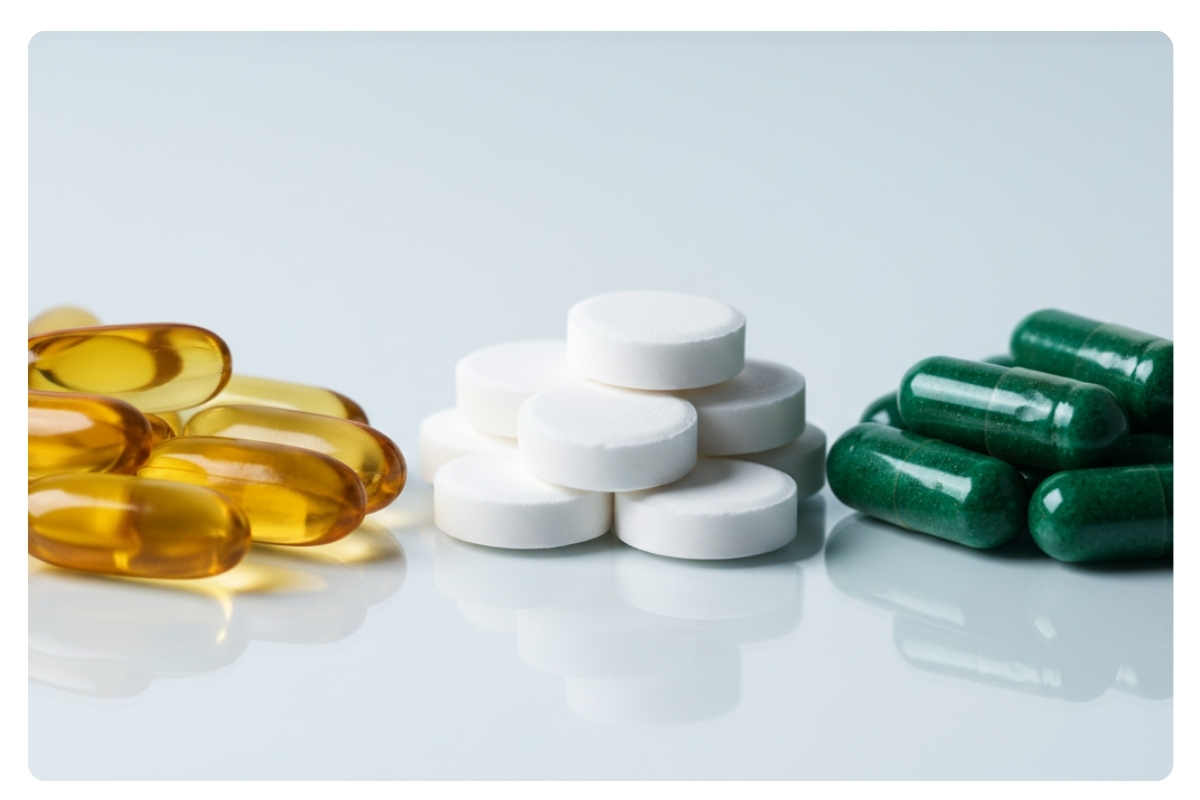
Nutritional Supplements (Vitamins and Minerals): Biotin, Zinc, Iron, and…
This group represents the most common form of hair loss pills, designed to compensate for nutritional deficiencies. If your hair loss is due to poor diet, stress, or specific deficiencies, these supplements can be highly effective.
- Biotin: Plays a fundamental role in Keratin production and is vital for fatty acid metabolism. Appropriate dosages can improve hair thickness and strength.
- Zinc: A key mineral involved in the function of oil glands around the follicles and hair tissue repair. Its deficiency is directly linked to hair loss.
- Iron and Folic Acid: Essential for Hemoglobin production and oxygen delivery to the hair follicle. Iron deficiency anemia is one of the main causes of hair loss, especially in women.
Hormonal Inhibitor Drugs (DHT Blockers) for Hereditary Hair Loss
This category includes medications that directly affect the Dihydrotestosterone (DHT) hormone. DHT is a potent androgen hormone that, in genetically predisposed individuals, causes the miniaturization of hair follicles and ultimately leads to male-pattern hair loss (Androgenetic Alopecia). Finasteride and Oral Minoxidil (although not strictly a DHT Blocker) are important medicinal examples in this area that must be taken under a doctor’s supervision. Additionally, supplements like Saw Palmetto are considered herbal options in this category.
The Role of Amino Acid-Containing Pills (Cysteine and Methionine) in Keratin Production
Hair is primarily made up of a protein called Keratin. Amino acids such as L-Cysteine and L-Methionine are the building blocks of this protein. Supplementation with these compounds directly helps to strengthen the hair shaft and increase its growth rate, and is highly beneficial for those with brittle hair or slow growth.
The Best Anti-Hair Loss Pill for Each Type and Cause
Diagnosing the cause of hair loss is the first and most crucial step in selecting the appropriate pill. Taking a simple multivitamin for hormonal hair loss, or using a hormonal drug for iron deficiency, is not only ineffective but can also lead to side effects.
Best Pill for Hormonal Hair Loss Treatment (Men and Women)
If your hair loss involves the gradual thinning of hair at the temples and crown (in men) or general thinning at the part (in women), you are likely dealing with Androgenetic Hair Loss.
- Men: Finasteride is the best and strongest drug option, which reduces DHT levels by inhibiting the 5-alpha reductase enzyme. Supplements containing Saw Palmetto extract are also more natural alternatives.
- Women: Treating hormonal hair loss in women is more complex and may require medications like Spironolactone or specific birth control pills under the supervision of a dermatologist. Using supplements with anti-androgenic compounds can also be helpful.
Best Pill for Hair Loss Caused by Vitamin and Nutrient Deficiency
This type of hair loss is usually diagnosed after a blood test confirming deficiencies such as Iron (low Ferritin), Zinc, or Vitamin D. In these cases, there is no need for strong medication, and the focus should be on compensating for the deficiencies.
- Iron Deficiency: Taking Iron Sulfate or Iron Bisglycinate pills along with Vitamin C for better absorption is vital.
- General Deficiency: Supplements with high doses of Biotin (at least 5000 mcg), Zinc, and B vitamins such as Hair-Vit, Follicogen, and Hairtamin are very suitable options.
Best Pill for Stress-Related and Cyclical Hair Loss (Telogen Effluvium)
Stress-related hair loss (Telogen Effluvium) often begins 3 to 6 months after a severe shock (childbirth, surgery, high fever, strict diet, or severe psychological stress). In this condition, the follicles enter the resting phase (Telogen).
The main treatment involves stress reduction and patience. Supplements containing Amino Acids (Cysteine, Methionine) to accelerate regeneration and the entry of follicles into the growth phase (Anagen), along with B vitamins and Magnesium for stress control, are the best choices.
Analysis of Key Ingredients: What to Look for in Anti-Hair Loss Pills?
When reading the label of an anti-hair loss pill, there are four groups of ingredients whose effectiveness has been proven and which you should look for.

Biotin and Zinc: Appropriate Dosage and Their Function in Stopping Hair Loss
These two are the backbone of most hair supplements.
- Biotin: For stopping deficiency-related hair loss, daily doses of 2500 to 5000 micrograms are recommended. Its main function is to strengthen the hair’s Keratin structure.
- Zinc: The appropriate dosage is between 10 to 30 milligrams. Zinc helps with hormonal balance and prevents damage to follicular cells.
L-Cysteine, L-Methionine, and Keratin: Amino Acids for Strengthening the Hair Shaft
These amino acids, especially L-Cysteine, which forms a large part of hair Keratin, are essential for producing strong and thick hair strands. Supplements that offer a high dose of these compounds (like Cystine B6) can significantly increase the hair’s growth rate and resistance.
Iron and Folic Acid: Necessity of Consumption in Women and Individuals with Anemia
Iron is the most vital blood component for hair. When Ferritin levels (iron stores) drop in the body, the body consumes iron reserves for more critical organs and sacrifices the hair. Folic Acid (Vitamin B9), along with Iron, is also essential for producing new cells and maintaining the health of red blood cells.
The role of Iron in non-scarring alopecia, particularly Telogen Effluvium, is crucial. Studies suggest that serum ferritin levels below 40 ng/mL are strongly associated with increased hair shedding, even in the absence of overt anemia. Supplementation should continue until ferritin levels exceed 70 ng/mL to ensure optimal hair growth conditions. https://www.ncbi.nlm.nih.gov/pmc/articles/PMC8900091/
Comprehensive Comparison and Rating of the Best Hair Loss Pill Brands (Local/International)
Choosing among the numerous brands in the market is a challenge. In this section, we compare the most popular products based on ingredients and primary use.
Comparison of Specifications and Price for Hair-Vit, Follicogen, and Hairtamin Pills
| Feature | Hair-Vit | Follicogen | Hairtamin |
| Country of Origin | Under license from England | Iran | USA |
| Main Focus | B vitamins and Iron (micronutrients) | Zinc and L-Cysteine (structural and mineral) | Antioxidants and Biotin |
| Key Advantage | Suitable price and balanced composition | High dose of Zinc and Cysteine | Contains herbal compounds like Turmeric |
| Best Use | Hair loss due to diet and fatigue | Chronic hair loss and thin hair shaft | Stress-related hair loss and general strengthening |
Comparison of Saw Palmetto-Containing Pills for Androgenetic Hair Loss
Saw Palmetto is a herbal alternative to DHT inhibitors and is included in many specialized supplements for male-pattern hair loss. Its effective dose is usually between 160 to 320 mg per day. If you are looking for a non-medicinal approach to hormonal hair loss, supplements that feature Saw Palmetto as their main ingredient are a better option.
Common Mistakes in Taking Anti-Hair Loss Pills (How to Get Results?)
Even the best pills in the world will not yield results if not taken correctly. Adhering to the following points is essential to ensure the effectiveness of the treatment.
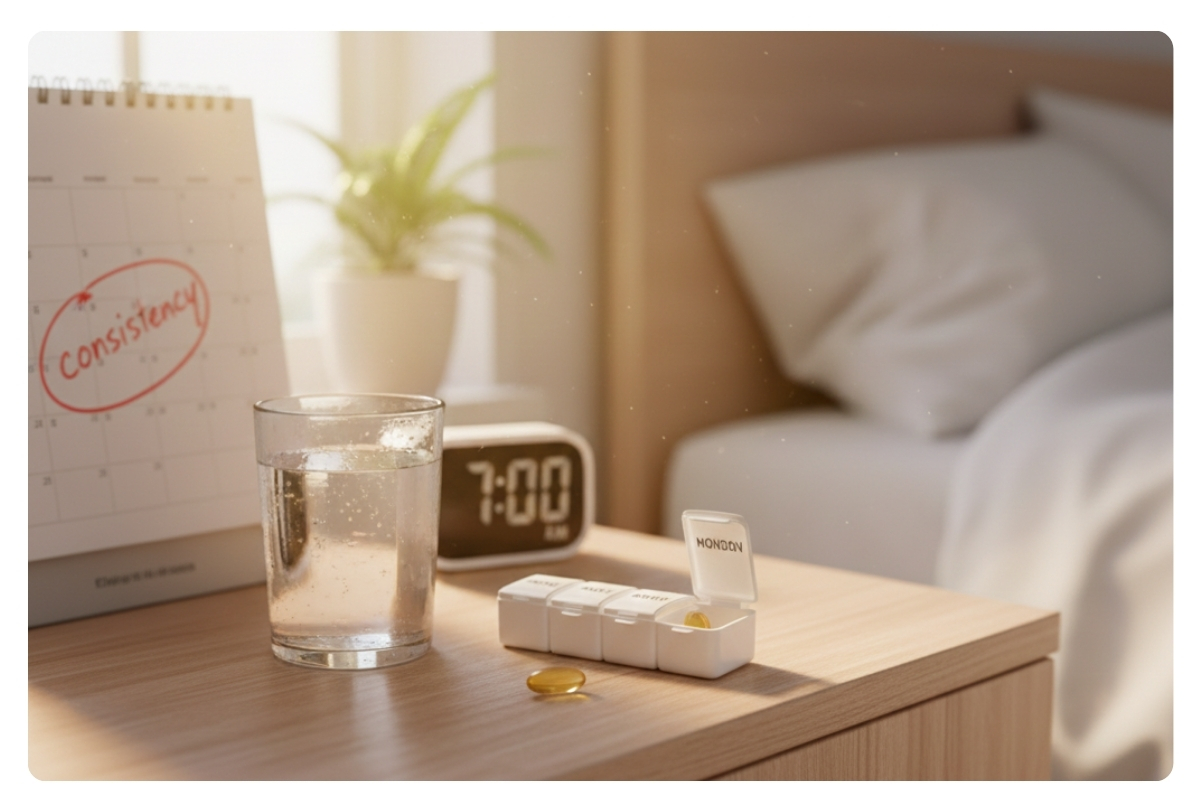
Duration of Consumption and Time Needed to See Results
The biggest mistake in hair loss treatment is stopping supplements after one or two months. The hair growth cycle is very slow.
Key Point: To observe a reduction in hair loss, a minimum of 3 months is needed, and for seeing regrowth and thickening of hair, a minimum of 6 months of continuous use is required.
Potential Side Effects and Important Drug Interactions
-
Nutritional Supplements: They are generally safe, but high doses of Zinc may interfere with Copper absorption, and high doses of Biotin can affect thyroid test results.
-
Hormonal Drugs (like Finasteride): A percentage of men may experience sexual side effects (decreased libido). In pregnant women or women of childbearing age, the consumption of some hormonal drugs is strictly forbidden. Always consult a doctor before starting any hormonal medication.
Frequently Asked Questions (FAQ) about Hair Loss Pills
1. Do anti-hair loss pills cause increased facial and body hair?
Generally, vitamin and mineral supplements do not have this side effect. However, hormonal drugs prescribed for male-pattern hair loss may, in some cases, cause mild growth of fine hairs in other body areas.
2. What is the best time to take a hair loss pill?
It is best to take vitamin and mineral supplements with food to maximize their absorption and reduce the likelihood of nausea or stomach upset. Taking them at breakfast or lunch is recommended.
3. Can anti-hair loss pills be taken without a doctor’s prescription?
Nutritional supplements like Hair-Vit or Hairtamin are usually available over-the-counter. However, hormonal inhibitor drugs like Finasteride or Spironolactone must be taken with the prescription and supervision of a dermatologist or physician.
4. What should be done if hair loss does not stop?
If your hair loss continues after 6 months of continuous and correct use of the best supplements, you should revisit your doctor. Hair loss might be caused by an underlying condition such as a thyroid disorder or Alopecia Areata, which requires specialized treatment.
5. Are anti-hair loss pills effective for all types of hair loss?
No. Pills are mainly designed for hair loss caused by nutrient deficiencies or hormonal reasons. For hair loss of autoimmune origin (like Alopecia Areata), stronger topical or oral treatments are necessary.
6. Will taking higher doses of Biotin make the results faster?
No. Very high doses of Biotin (more than 10,000 mcg) rarely offer better absorption, and the excess is excreted by the body. Doses of 5000 to 10000 mcg are usually sufficient and effective.
7. What is the difference between male and female hair loss pills?
The main difference is the focus on hormonal inhibitors. Male supplements often contain stronger DHT blocker compounds (like Saw Palmetto), while female supplements often emphasize compensating for Iron and Folic Acid deficiencies.
8. Will the regrown hair fall out again after stopping the pill?
In hair loss due to temporary deficiency (e.g., after childbirth or stress), the hair remains stable after the treatment course ends. However, in hormonal (hereditary) hair loss, stopping the medication or supplement can cause the hair loss to return due to the reactivation of DHT.
9. Can hair loss pills be used topically?
No. Pills are formulated to be absorbed through the digestive system and enter the bloodstream. Topical treatments like Minoxidil are separately designed for direct penetration into the scalp.
10. Do anti-hair loss pills affect gray hair strands?
Anti-hair loss pills are not directly designed to treat gray hair, but some B vitamins (like Folic Acid and B12) and minerals like Copper can be effective in the health of melanocytes (pigment-producing cells).





Be the first to comment!